Hudson Bay
Exploring the Historical Ties Beyond the Great Waters

Geographic Context
Hudson Bay is a vast body of water located in northeastern Canada. While the bay itself is primarily bordered by the provinces of Manitoba, Ontario, and Quebec, its influence and historical significance extend into the neighboring province of Saskatchewan. The Hudson Bay drainage basin covers a substantial portion of central Canada, including parts of Saskatchewan, which historically connected the region to important trade routes.

History
Indigenous Peoples and Early History
Before European exploration, the area surrounding Hudson Bay was inhabited by various Indigenous groups, including the Cree and Dene peoples. These communities thrived on hunting, fishing, and trading with each other long before Europeans arrived. The Indigenous knowledge of the land and waterways was crucial in shaping the early fur trade networks that would later develop.
The Fur Trade Era
The Hudson's Bay Company (HBC), established in 1670, played a pivotal role in the history of Hudson Bay and the surrounding regions. The company was granted a royal charter to trade in the vast region known as Rupert's Land, which included the Hudson Bay drainage basin. Saskatchewan's rivers and lakes became vital conduits for the fur trade, linking remote trading posts to the bay.
During this era, fur traders and voyageurs traveled extensively through Saskatchewan, establishing trading posts and engaging in exchange with Indigenous communities. The HBC and its rival, the North West Company, were instrumental in the economic development of the area, paving the way for European settlement.
Exploration and Settlement
By the late 18th and early 19th centuries, exploration of the Canadian interior intensified. Explorers like Samuel Hearne and David Thompson traversed the region, mapping territories and establishing trading relationships. Their journeys contributed to a more comprehensive understanding of the geography and resources of Saskatchewan and its connection to Hudson Bay.
The fur trade's decline in the mid-19th century led to increased agricultural settlement in Saskatchewan. As European settlers moved westward, they brought new farming techniques and established communities, transforming the landscape. The construction of the Canadian Pacific Railway in the late 19th century further facilitated settlement and economic growth.
Modern Developments
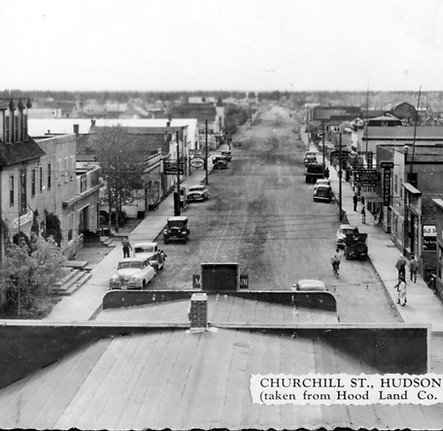
Today, Hudson Bay's historical legacy continues to influence the cultural and economic landscape of Saskatchewan. The town of Hudson Bay in Saskatchewan serves as a reminder of the region's deep-rooted connections to the bay and the fur trade. This town is a hub for forestry, agriculture, and tourism, highlighting the enduring relationship between the people of Saskatchewan and the land.
Conclusion
Hudson Bay's history is intertwined with that of Saskatchewan, shaping the cultural and economic development of the region. From its significance in the fur trade era to its role in modern Canadian society, Hudson Bay remains a vital part of the historical narrative, reflecting the diverse and rich heritage of the area. The legacy of exploration, trade, and settlement continues to be celebrated and preserved in the communities that thrive today.
Visit


Local activities